Let's name what happened
You stopped. Maybe it was gradual. A few months without trying became six months, then a year, then you stopped counting. Maybe it was sudden. A breakup, a health thing, a job that ate your entire life. Either way, pleasure went dormant. Not gone. Dormant.
Now you're thinking about coming back to it, and honestly, that's awkward. Your body might feel unfamiliar. Your mind might be loud with doubt. That's completely normal. The muscle of pleasure atrophies like any other skill, but here's the thing: it comes back faster than you think.
Why the gap feels bigger than it is
After months or years of sexual avoidance, your nervous system has learned a new baseline. Your brain stopped prioritizing arousal signals. Your pelvic floor probably tightened. Your clitoral tissue got less regular blood flow. Neurologically, the pathways for pleasure still exist. They're just quiet.
What makes reentry feel so loaded is the shame layer. You might be telling yourself a story like "I should be able to just jump back in," or "If I try this and nothing happens, it proves something's wrong with me." That story is both unhelpful and wrong.
Reintroduction isn't a test. It's a conversation with your body in a new language.
Start with zero expectations
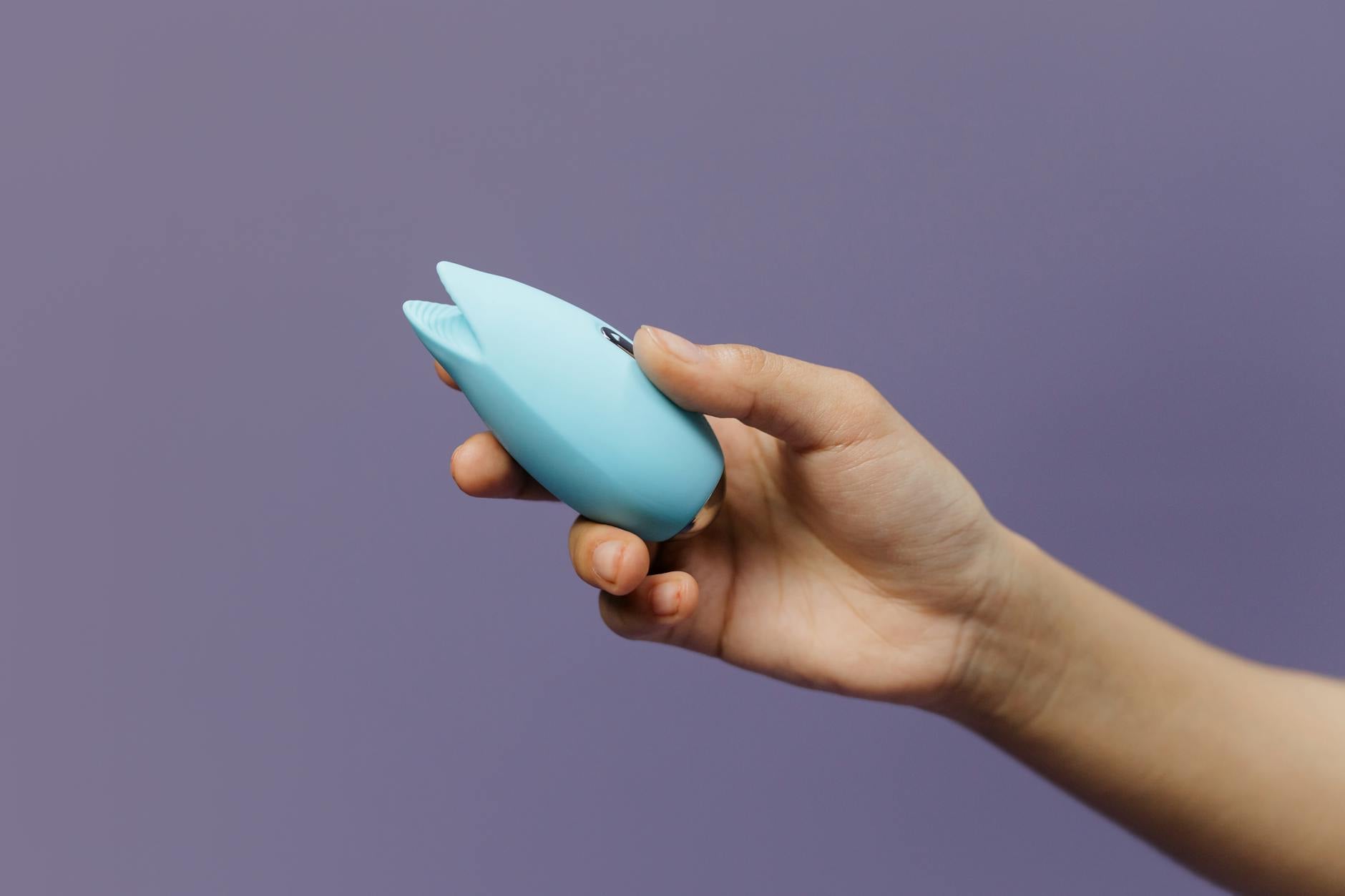
This is counterintuitive, but the biggest barrier to reentry is goal-setting. If you pick up a lemon clitoral vibrator thinking "I need to orgasm," you've already primed your nervous system to judge the experience as success or failure. That judgment is tension. Tension blocks sensation.
Instead, set a different goal: exploration without outcome. You're not trying to come. You're trying to remember what touch feels like. That's it.
Pick a time when you're alone, not rushed, and ideally when you've had a decent day. Not right after a stressful meeting or when you're sleep-deprived. Your nervous system needs basic baseline calm to reorient toward pleasure.
The logistics that actually matter
Your body's been away. It needs adjustments you probably didn't need before.
First, lubrication. After long-term avoidance, natural lubrication might take longer to arrive, or might not arrive the way it used to. Have a good water-based lube nearby. Not because anything's wrong, but because it removes friction barriers and lets you focus on sensation instead of discomfort.
Second, a quiet space. Not museum-quiet, but no interruptions or performance energy. Your nervous system needs to know it's safe to be vulnerable again.
Third, start on a lower vibration setting. Most lemon adult toys offer multiple patterns and intensities. Begin at setting 1 or 2. Let yourself get used to the sensation before you turn it up. Slow reentry prevents overstimulation and gives your clitoral nerves time to remember what attention feels like.
The first session (and why it might feel like nothing)
Honestly? It might. You might put the lemon sucker on your clitoris, feel some vibration, and think "Is this all?" or "I don't feel anything." That's not failure. That's your nervous system saying "I remember you, but I need a minute."
Stay with it for 10-15 minutes without chasing sensation. The goal is familiarity, not intensity. Notice the vibration. Notice your breath. Notice if your mind wanders. Let it. You're building neural pathways again, and that happens subtly at first.
If you do feel something pleasant, great. Don't grab for more. Let it exist at whatever level it's at. Pleasure doesn't have to build toward anything.
The emotional piece (the harder part)
After long-term avoidance, pleasure carries baggage. Maybe the gap coincided with a relationship issue, or a health scare, or just burnout. Your body might associate sexual attention with whatever was hard at that time. That association is real, and a lemon vibrator won't logic it away.
As you reintroduce pleasure, you might feel sadness, anxiety, or nothing at all. That's your nervous system processing. It's not a sign you should stop.
If you're working with a partner, the reentry is even more fraught because there's another person's emotions in the mix. The kindest thing you can do is separate your solo reentry from partnered time. Spend a few weeks reconnecting with your own body first. No pressure, no audience, no need to perform or reciprocate. Once you've rebuilt your own baseline, partnered pleasure becomes easier to navigate.
How often to practice
You don't need a schedule, but consistency helps. Aim for once or twice a week for the first month. This gives your nervous system regular signals that pleasure is back on the menu without overwhelming you.
As sensation returns, you can explore different settings on your lemon clitoral vibrator, different patterns, different contexts. Maybe you discover you like a slower build. Maybe you realize you prefer solo play to partnered sex. Maybe you find out your pleasure changed while you were away. All of that information is valuable.
When to pause or seek support
If you experience pain during reentry, stop and talk to a healthcare provider. Pain is signal, not punishment. It might be physical (muscle tension, inflammation, hormonal) or it might be psychological (your nervous system saying "not yet"). Either way, professional support can help.
If you hit a wall emotionally and feel stuck for weeks, consider talking to a therapist who specializes in sexuality or trauma. The gap in your pleasure might be connected to something deeper that needs processing beyond solo practice.
The truth nobody tells you
Reentry doesn't need to look like your old pleasure did. Maybe you come back to it and discover you want something different now. Maybe the thing that used to work for you doesn't anymore. Maybe you're softer with yourself, slower with exploration, less goal-focused. Those aren't failures. That's growth.
Your body hasn't forgotten pleasure. It's just waiting for permission to remember.
FAQ
How long does it take to feel sensation again after long-term sexual avoidance?
Every body is different, but most people report noticing changes in 2-4 weeks of gentle, regular exploration. Some feel something the first session. Others take a couple of months. The timeline depends on how long you were away, what your nervous system was processing during that time, and your basic stress levels. The key is consistent, zero-pressure practice rather than intensity or frequency.
Should I tell my partner I'm reintroducing pleasure on my own?
That depends on your relationship dynamic and how much you share about sexual life. If you're partnered and you want sex to be part of your relationship again, having a conversation about it eventually makes sense. But the early reentry is for you. You don't owe real-time updates. Do what feels safe and honest to your system.
Is using a lemon vibrator different from partnered sex when restarting after avoidance?
Yes, significantly. Solo exploration removes performance pressure and gives you space to reconnect with sensation without anyone else's needs in the mix. That's actually a feature, not a bug. Once you've rebuilt your own baseline with devices like lemon clitoral vibrators or lemon sexual toys, partnered sex becomes less intimidating because you already know your body responds.
What if I use a lemon sucker and still feel nothing after several sessions?
First, check your baseline stress and sleep. Chronic stress or exhaustion can genuinely suppress arousal signal. Second, talk to a doctor. Sometimes the gap in sensation is hormonal or neurological and worth investigating. Third, try shifting your focus. Instead of sensation-seeking, try self-compassion practice. Sometimes the nervous system needs emotional safety before it allows pleasure.
Can using lemon vibrators after avoidance trigger trauma or dissociation?
For some people, yes. If you have a history of sexual trauma or dissociative responses, solo exploration should ideally happen in coordination with a trauma-informed therapist. They can help you build safety and grounding skills before reintroduction. This isn't because something's wrong with you. It's because your nervous system needs a little more scaffolding.
Should I use the same type of toy I used before my break, or try something different?
Try something new if the old one carries baggage. A fresh lemon vibrator or lemon sexual toy from The Lemon Suckers can feel like permission to start fresh rather than trying to recreate an old experience. The sensations might even feel better because you're not comparing to some idealized past version of yourself.
You're not broken
Reintroduction after long-term sexual avoidance feels vulnerable because it is. You're rebuilding trust with your own body. That takes patience, consistency, and radical self-compassion. Some days it'll feel good. Some days it'll feel like nothing. Both are fine.
Your pleasure didn't disappear. It's just been waiting for you to come back.