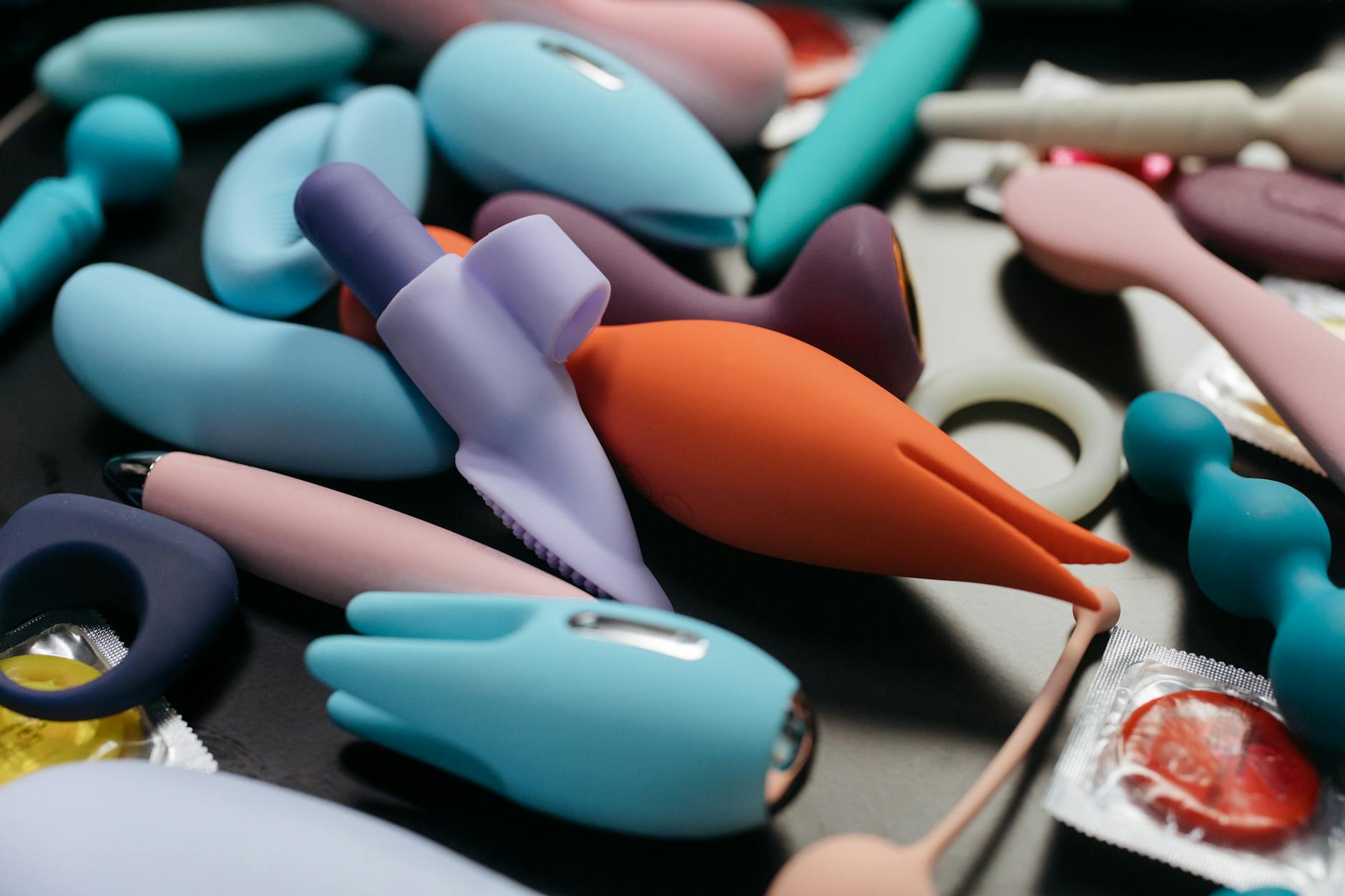
Let's start with the honest part
Your clitoris changes texture, sensitivity, and responsiveness throughout your menstrual cycle. This is not a flaw. This is normal biology, and it's completely workable once you understand the rhythm.
Here's the thing: most people treat their pleasure like it should be consistent. Same settings, same pressure, same approach every time. But your body doesn't operate on that frequency. Hormones shift. Blood flow changes. Nerve sensitivity fluctuates. If you're using a lemon vibrator or any clitoral vibrator the same way on day 5 as you do on day 20, you're working against your physiology instead of with it.
The cycle phases and what changes
Menstruation (Days 1-5ish). Estrogen and progesterone are both low. Your clitoris is less engorged with blood. It might feel less responsive, more tender, or even slightly numb. Some people have zero interest in stimulation; others find that orgasm helps with cramping. If that's you, use lower intensities on your lemon vibrator. Start at pattern 1 or 2. The suction design of air-pulse technology works particularly well here because it's gentler than direct vibration.
Follicular phase (Days 6-13ish). Estrogen climbs. Your clitoris becomes more engorged, more sensitive. Blood flow increases. This is when many people notice their fastest arousal, their most intense sensation, and sometimes their most intense orgasms. You can turn up the intensity here. Move through patterns 3-5 if you want. Lubrication is often more abundant naturally, so you might not need extra.
Ovulation (Days 14-16ish). Peak sensitivity. Estrogen peaks, then drops sharply. Testosterone spikes. This is often the window where people feel most aroused, most pleasure-seeking, and most responsive to stimulation. Your clitoris is at maximum engorgement. This is when you might be able to handle intensity 6 or 7 on your lemon vibrator without discomfort. This is also when partnered sex often feels best.
Luteal phase (Days 17-28ish). Progesterone rises. Your clitoris gradually becomes less engorged. You might notice that the same intensity that felt amazing at ovulation now feels too intense or too much. Some people get irritable around stimulation. Others find they need longer warm-up time. Adjust your patterns down. Linger at intensities 2-4. Give yourself more time to build arousal.
Why the pressure changes mid-cycle
Three mechanisms are working together. First, blood volume to the clitoris increases and decreases with estrogen. When estrogen is high, your clitoris is more filled with blood, making it more sensitive and more responsive. When estrogen drops, the clitoris becomes less engorged. This physically changes how stimulation feels.
Second, the vaginal tissues change. During the follicular phase, the vaginal environment becomes more acidic and thinner. During the luteal phase, it becomes more alkaline and thicker. This affects how sensation travels through the tissue and how well lubrication works.
Third, progesterone affects your entire nervous system. High progesterone (luteal phase) dampens arousal signals. Low progesterone (follicular phase) lets arousal signals move freely. This is why you might feel more interested in pleasure right before ovulation, and less interested a week later, even though nothing has changed externally.
How to adjust your lemon vibrator technique month-to-month
Track what happens. For one full cycle, notice when you feel most responsive and when you feel least responsive. Write it down. Don't make assumptions. Your body might not follow the textbook timeline. Some people peak at ovulation; others peak in the follicular phase. Some people feel numb during menstruation; others feel highly responsive. Your baseline is the only one that matters.
Adjust pattern intensity based on phase. If you own a lemon clitoral vibrator with multiple patterns, use the lower patterns (1-3) during menstruation and the luteal phase. Use the higher patterns (5-7) during ovulation and the follicular peak. This isn't about pushing yourself harder. It's about matching the tool to the moment.
Change your approach to warm-up. During high-sensitivity phases, you might need only 5 minutes of warm-up before full arousal. During low-sensitivity phases, budget 15-20 minutes. Don't rush. Let your body move at its own pace.
Use lubrication strategically. You'll probably produce more natural lubrication during the follicular phase and around ovulation. During menstruation and the luteal phase, add external lubricant even if you don't think you need it. This reduces friction and makes lower-intensity stimulation feel better.
Pay attention to pressure and angle. During high-sensitivity phases, you might prefer light contact or hovering the vibrator just above the clitoris rather than direct contact. During low-sensitivity phases, you might need firmer pressure or direct contact to feel anything at all. The lemon vibrator's suction design lets you adjust this easily. Use lighter contact when you need it; increase pressure when you don't.
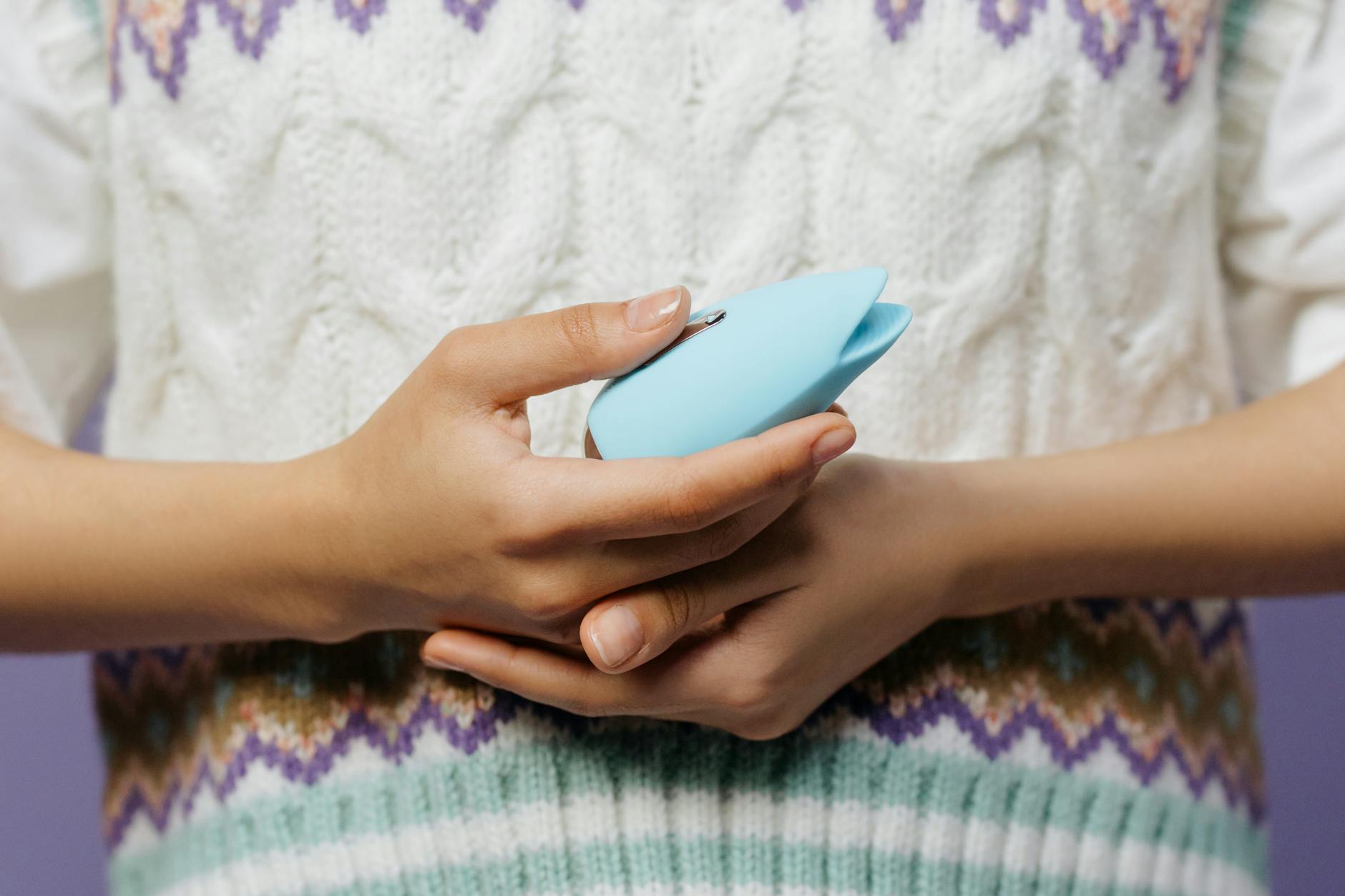
Photo by cottonbro studio on Pexels
What happens when you ignore the cycle
When sensitivity is low and you push hard anyway, you end up chasing the sensation. You turn up intensity, extend the session, and leave frustrated. Your body isn't broken. You're just working against your own biology.
When sensitivity is high and you don't adjust downward, you might feel overstimulated, raw, or irritated. The clitoris has limited tolerance for intense stimulation, especially when already engorged and sensitive. Pain or numbness can follow. Again, not a failure of your lemon vibrator or your body. Just a mismatch.
When you work with the cycle instead, pleasure takes less effort. Arousal builds faster during high-sensitivity windows. Orgasm feels more natural. And during low-sensitivity windows, you can still find pleasure without frustration. You're just operating at a different pace.
The mental part matters as much as the physical part
Many people find that shame or confusion around sensitivity changes makes the problem worse. You expect pleasure to feel the same every time. When it doesn't, you assume something is wrong with you. But the cycle is information, not failure.
If your partner is in the picture, this matters even more. When you can say, "This week I need gentler pressure" or "I'm in a high-sensitivity window right now," you're not apologizing for your body. You're communicating. That conversation often strengthens connection because it removes the guesswork.
If you're solo, cycle awareness just makes your sessions more efficient. You're not forcing pleasure. You're inviting it in the rhythm your body actually wants.
The lemon vibrator as a tool for this
Clitoral vibrators like the lemon sucker, with their air-pulse technology, are particularly useful for cycle-based pleasure because they offer precision. You can adjust intensity across multiple patterns. You can use lighter contact or direct suction depending on your moment. You're not locked into one approach.
This flexibility matters when your sensitivity is in flux. You're not trying to make one tool work for every phase. You're adjusting the tool to match where your body is.
Tracking your personal rhythm
If you want to get serious about this, use a simple tracking method. On your phone or a spreadsheet, log the first day of your period. Then, mark when you notice:
- High arousal
- Rapid orgasm or slow orgasm
- Preferred intensity level
- How much warm-up time you needed
- Any discomfort or numbness
- Natural lubrication patterns
After three cycles, patterns will emerge. You'll know exactly when your high-sensitivity window hits. You'll know when you need extra lube. You'll know when you can push intensity higher. This knowledge takes the guesswork out of pleasure.
When sensitivity is consistently off
If your clitoral sensitivity doesn't follow a recognizable pattern, or if it's consistently numb across all phases, that's worth exploring with a doctor. Medication, hormonal contraceptives, neurological changes, and other medical factors can flatten sensation. That's not a character flaw. It's information. A healthcare provider can help you understand what's happening and what your options are.
The same goes if pain accompanies certain phases. That's also worth medical attention. You deserve pleasure without pain, and sometimes that requires professional support.
FAQ
Can I use a lemon vibrator during my period?
Absolutely. Many people find that orgasm helps relieve menstrual cramps because it increases blood flow and releases endorphins. The key is adjusting intensity. Use lower patterns and lighter contact. Your clitoris is often more tender during menstruation, so gentler is usually better. If you experience pain, skip it for that cycle and try again next month.
Why does my clitoris feel numb during the luteal phase?
Progesterone dampens arousal signals in your nervous system. Your clitoris is also less engorged with blood. This combination makes sensation feel muted. This is normal and temporary. You'll regain responsiveness as you move into the follicular phase. In the meantime, adjust your lemon clitoral vibrator intensity upward, increase warm-up time, and add extra lubrication.
Does hormonal birth control change cycle sensitivity?
Yes. Hormonal contraceptives suppress the natural hormonal fluctuation that creates the cycle. Some people on hormonal birth control notice their sensitivity stays flatter across the month. Others notice it's consistently lower. This varies widely. If you notice changes in sensitivity after starting hormonal birth control, that's normal. You might need to adjust your approach to lemon vibrators or other clitoral vibrators. Talk to your doctor if sensitivity feels significantly reduced.
What if my cycle is irregular?
Irregular cycles make pattern-tracking harder, but it's still worth doing. Track what you notice regardless of where you are in the calendar. Over time, you'll see patterns even if they don't land on predictable dates. Some people with irregular cycles notice their sensitivity peaks every 5 weeks instead of 4. Some notice it's sporadic. The goal isn't to fit a template. It's to notice your own rhythm.
How do I talk to my partner about these changes?
Simply and directly. "My sensitivity changes throughout my cycle. Some weeks I enjoy harder intensity; other weeks I prefer gentler pressure." That's it. You're not asking permission. You're sharing information. A partner who cares about your pleasure will appreciate the clarity. If they push back or make it about them, that's a different conversation and worth having.
Is it normal to want solo pleasure during certain cycle phases but not others?
Completely normal. Desire and responsiveness fluctuate with hormones. Some phases you might want to use your lemon vibrator three times a week. Other phases, you might not be interested at all. Your body isn't broken. It's just operating on its own schedule. The key is listening to what your body wants instead of forcing a habit that doesn't serve you in that moment.
The bottom line
Your clitoris isn't static. It's dynamic, hormonal, and responsive to the rhythms of your body. When you work with those rhythms instead of against them, pleasure becomes easier, faster, and more reliable. Tracking your cycle, adjusting your lemon vibrator intensity, and giving yourself permission to want different things at different times isn't overthinking pleasure. It's respecting your own biology. And that's where real satisfaction lives.
If you want to explore this further, check out our guide on how to use lemon vibrators when your libido changes throughout your cycle for a deeper dive into desire and hormones. You might also find it helpful to read about how to use lemon vibrators when you want to build arousal gradually without overwhelming sensation, which covers pressure management across different sensitivity levels.
Your pleasure matters. Your body's rhythm matters. And understanding the two together changes everything.