The thing nobody says out loud
You have preferences. Some people hate the slick feeling of lube on their hands. Others find certain silicone textures triggering or weirdly overstimulating. A few of you just don't want to deal with the aftermath: the mess, the cleanup, the sticky sheets. That's not being difficult. That's knowing what your body needs in order to actually relax and feel good.
Here's what I've learned in decades of working with couples: people with strong material or texture preferences often feel like they're making things harder than they need to be. They apologize for it. They try to push through. They end up avoiding pleasure entirely because the friction isn't worth the friction. That's backwards.
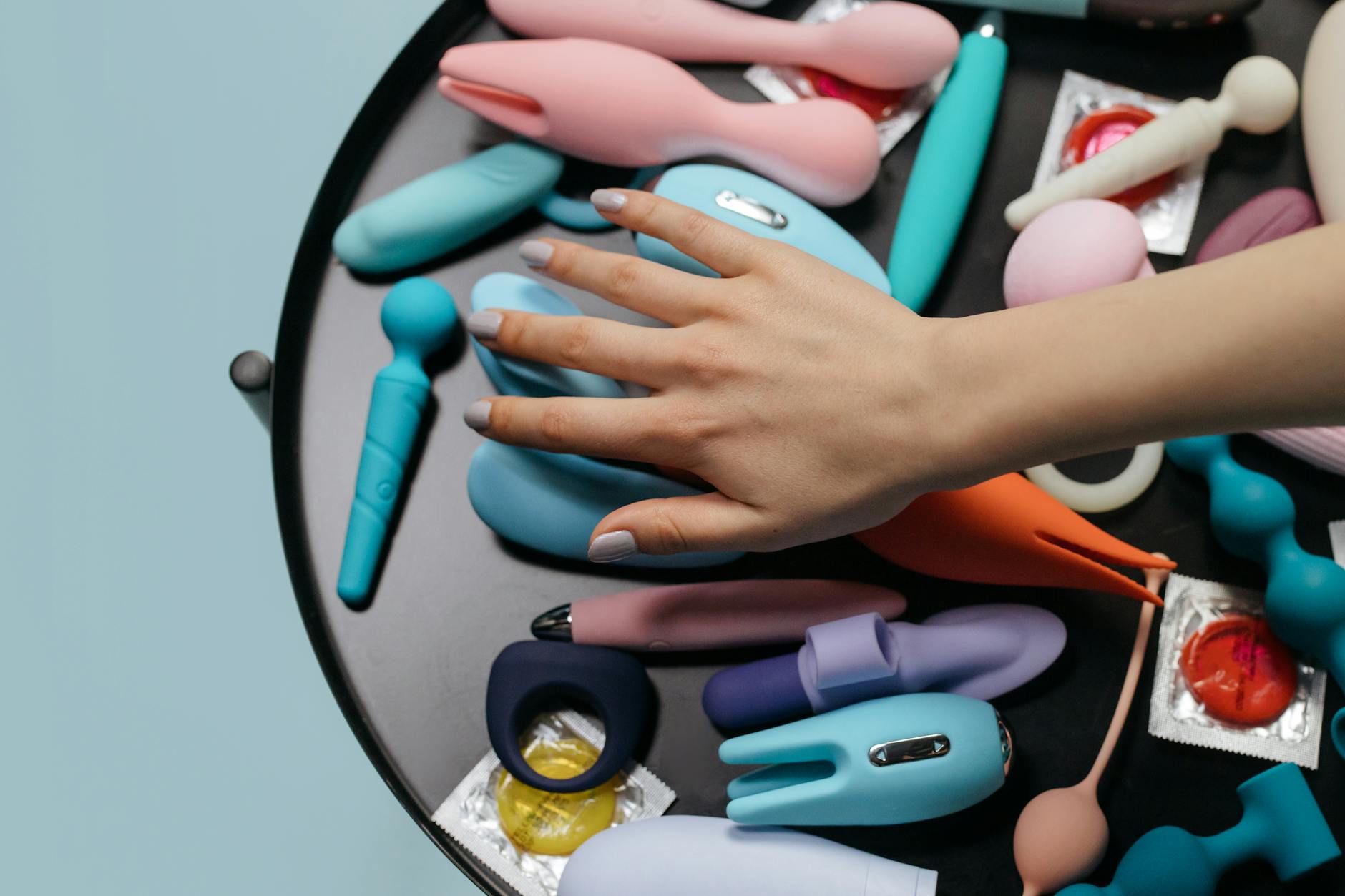
Lemon vibrators, especially the smooth silicone construction of devices like the Lem, are built for people who care about how things feel. Let's talk about why, and how to use them so texture sensitivity stops being a barrier.
Why silicone matters more than you think
Not all vibrators feel the same against your skin. Cheap materials can feel rubbery or off-putting. Some bodies react to certain finishes—latex or thermoplastic elastomer (TPE) can trigger sensory defensiveness in people who are texture-sensitive. Medical-grade silicone, the kind that goes into lemon vibrators, is different.
It's non-porous, which means it doesn't harbor bacteria the way porous materials do. It warms to body temperature quickly, which makes it feel less clinical. It has a slight give to it—not hard plastic, not squishy rubber—that most people find genuinely pleasant to hold and use.
But here's the real part: silicone's smooth surface means you don't need lube to use it, which solves one of the biggest texture-sensitivity problems right there. No slick hands. No mess. Just direct contact with something that was designed to feel good.
The lube question: when you actually want none
Lube is a solution, not a requirement. If you hate the sticky feeling on your hands or the messiness on your sheets, you have permission to skip it entirely with a good lemon vibrator.
However. Some bodies do benefit from a tiny amount, especially if you're using the device for extended periods or if your natural lubrication tends to be lighter. If that's you, don't force yourself into a pool of slick. Use a water-based lube—just a fingertip's worth—directly on the device itself, not on your whole vulva. Apply it, let the vibration warm it up, and most people find that amount feels controlled rather than messy.
Water-based lubes also dry down slightly over time, which means you get the slip you need without the all-night tackiness that bothers some people.
If you absolutely hate the concept, don't do it. Use the vibrator dry. With silicone construction and the right technique, this works beautifully.
Positioning: where texture sensitivity matters most
Your hand matters. If you're holding a device that's cold, plastic-feeling, or awkward, your whole system tenses up. That's not arousal. That's defensive.
With a lemon vibrator, the ergonomic design means you're not gripping hard to keep it in place. You can hold it loosely, resting it against yourself rather than pressing. This does two things: it reduces the overwhelming sensation that comes from hard pressure on sensitive tissue, and it lets you move it around more intuitively without your hand getting tired.
If you're someone who finds direct clitoral contact too intense—which is extremely common—the smooth, curved shape of lemon clitoral vibrators lets you stimulate the surrounding area, the hood, or the side of the clitoris instead. You get the benefit of the vibration without the overwhelming directness.
When you're lying down or sitting comfortably, you can also place the device and let it do the work rather than having to hold it at an angle. Less active tension. Less feeling like you're wrestling with the equipment.
The mental side: permission matters
Here's something I notice in my practice: people with strong preferences often carry shame about them. They think they should want what other people want, or that their pickiness is limiting them.
It's not. It's clarifying.
When you use a lemon vibrator specifically because it meets your needs—smooth material, no mess, straightforward design—you're not compromising. You're being honest. And honesty is what turns pleasure from something you have to psych yourself into into something your body actually wants.
That shift changes everything.
Cleanup and peace of mind
One of the biggest barriers I hear from people is worry about mess. Stained sheets. Sticky skin afterward. The whole production of it.
With a smooth silicone lemon vibrator and minimal or no lube, your cleanup is: wash the device under warm water with a bit of soap, dry it, done. Your body is clean by default. Your sheets are fine. You don't need a towel underneath you or a whole post-pleasure hygiene ritual.
This might sound small, but it removes a real source of anxiety for people who've been avoiding solo pleasure because they didn't want to deal with the fallout. If you're someone whose brain goes "but then I have to shower" or "but then the laundry," this alone can be transformative.
Keep your device somewhere accessible—a bedside drawer, a small pouch—so you're not hunting for it. Make it as frictionless as the experience itself.
Sensation control: starting low
Lemon vibrators typically have multiple intensity settings. If texture sensitivity is part of your picture, you likely also experience intensity sensitivity.
Start at the lowest setting. Seriously. Not because you're fragile, but because you can always go up. You can't come back down once you've been overwhelmed.
The Lem and similar devices give you real control. Pattern 1 feels like a gentle pulse. Pattern 2 adds texture to that pulse. By the time you get to the higher settings, you've already acclimated your nervous system.
If you find that even the lowest setting feels intense on direct contact, use the side of the device or focus on the area around the clitoris rather than directly on it. The vibration diffuses through tissue in ways that feel completely different depending on angle and pressure.
When to say no to this approach
If you have pain during use, stop. Texture sensitivity is about preference and comfort. Pain is your nervous system saying something is actually wrong. That's a conversation for a gynecologist, not a workaround.
Similarly, if you find yourself avoiding pleasure because you're trying to accommodate your preferences rather than honor them, that's worth examining with a therapist. The goal isn't to white-knuckle your way to orgasm. It's to feel good.
Real talk: your preferences are features, not bugs
You know what turns people on? Feeling like they have agency. Knowing exactly what you want and having zero apologies about it. Choosing a tool that actually matches your needs instead of forcing yourself into someone else's standard.
That's what lemon vibrators do for people with texture sensitivity and mess concerns. They let you have pleasure on your terms, which is the only way pleasure actually works.
Frequently asked questions
Can I use a lemon vibrator completely dry without any lube?
Yes. Silicone's smooth surface is designed for this. You might find that a tiny bit of natural lubrication or a fingertip of water-based lube helps after a few minutes of use, but you don't need it to start. If dryness ever causes discomfort, add a small amount then. You're in control.
What if I find silicone texture uncomfortable too?
Silicone is about as gentle as adult toy materials get, but if even that bothers you, it's worth exploring with a sex-positive therapist whether this is a sensory processing difference (common in autism and ADHD) or something else. There may be accommodation strategies or different materials worth trying.
How do I clean a lemon vibrator to avoid gross buildup?
Wash it after each use under warm running water with a small amount of soap. Dry it completely with a lint-free cloth or let it air-dry standing up. Store it in a clean, dry place—a drawer with a small pouch works great. Don't use alcohol or harsh cleaners. That's it.
Will using a vibrator with texture sensitivity make me lose the ability to enjoy partnered sex?
No. Vibration sensitivity and texture sensitivity don't transfer to partner touch in that way. Your body knows the difference between a device and a person. Using what feels good to you actually helps you understand what you like, which you can communicate to a partner.
Is it normal to want zero mess?
Completely normal. Some bodies naturally produce more lubrication, others less. Some people's nervous systems are bothered by the sensation of wetness or cleanup. That's not unusual, and it's not something you need to fix. The entire point of pleasure tools is to meet your body where it is.
Can texture sensitivity change over time?
Yes. Stress, hormones, medications, and life transitions all shift what feels good. That's why having a smooth, versatile device like a lemon vibrator is useful. You can adjust how you use it as your preferences shift without needing to buy something new.
The bottom line
Your texture preferences aren't obstacles. They're information. They tell you what your nervous system actually needs in order to relax enough to feel pleasure. When you honor that instead of fighting it, everything changes.
Lemon vibrators work for people who care about how things feel because they were built with that in mind. Smooth material. Straightforward design. Minimal mess. Direct sensation. No apologies.
If you've been avoiding solo pleasure because you were trying to force yourself into someone else's preferences, this might be the permission you needed. Your pleasure matters. Your preferences matter. The tool you choose can reflect both.
Have questions about what might work for your specific situation? We're here to help. Get in touch with us—no judgment, just practical guidance.